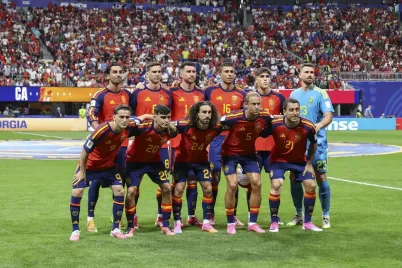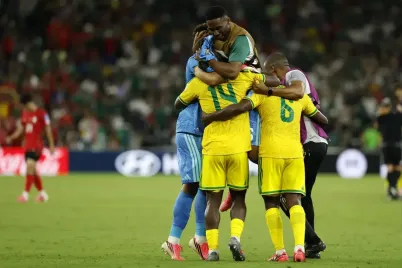

Spain’s historic 1-0 extra-time triumph over Argentina at the New York New Jersey Stadium brought the curtain down on the largest, most expansive FIFA World Cup in history. Across 104 matches, nearly 6.9 million fans witnessed a tournament defined by gruelling tactical attrition, youthful exuberance, and record-breaking individual brilliance.
As the ticker tape was swept from the pitch on Monday morning and Luis de la Fuente’s squad boarded their triumphant flight back to Madrid, world football’s governing body officially confirmed the tournament’s individual award winners. Unsurprisingly, the Spanish champions dominated the prestigious post-tournament honours, but the global stage also provided a platform for individual milestones from rival nations that will be permanently etched into footballing folklore.
From masterful midfield orchestration to ruthless goalscoring proficiency, here is a comprehensive breakdown of the elite players who defined the 2026 FIFA World Cup and took home the competition’s top individual accolades.
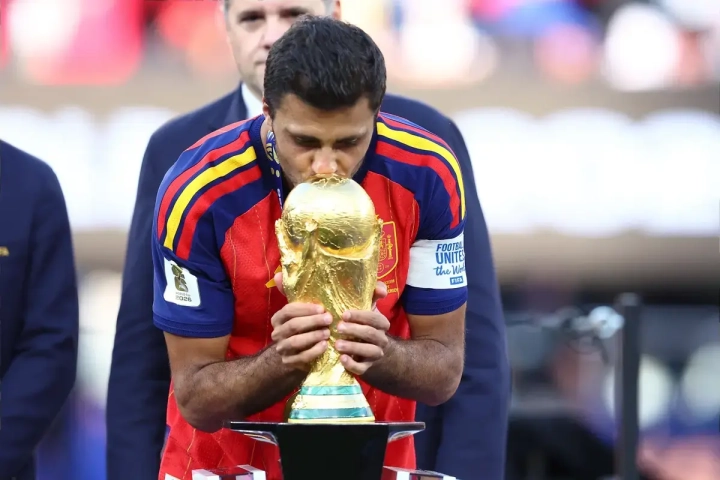
The Golden Ball: Rodri (Spain)
If there was any lingering debate regarding the identity of the finest controlling midfielder of his generation, the 2026 World Cup definitively ended the conversation. Manchester City’s Rodri was awarded the adidas Golden Ball, officially recognising him as the best player of the tournament following a comprehensive vote by FIFA’s Technical Study Group.
Rodri’s campaign in North America was a masterclass in spatial awareness, tempo dictation, and relentless ball recovery. As the undisputed heartbeat of La Roja’s midfield, he completed a staggering 753 passes across the competition with a 94% accuracy rate. Furthermore, FIFA statistics revealed he was involved in 1,803 distinct plays, nearly 200 more than any other player in the tournament.
His achievement is made exponentially more remarkable by the physical adversity he overcame to reach this stage. Having returned to domestic action in May 2025 following a gruelling eight-month layoff due to a severe knee injury, there were genuine concerns regarding his ability to handle the physical demands of an expanded, intense summer tournament. Instead, Rodri provided the structural balance that allowed Spain’s vibrant attacking wingers to flourish without exposing the defensive line.
By lifting the Golden Ball and the World Cup trophy, the 30-year-old joins an incredibly exclusive club of just eleven men to have won the World Cup, the UEFA Champions League, and the Ballon d’Or (which he claimed in 2024 following Spain’s European Championship success).
The Golden Boot: Kylian Mbappé (France)
While France ultimately fell short of reaching a third consecutive World Cup final, their captain Kylian Mbappé further cemented his status as the most lethal, devastating forward in modern international football. The Real Madrid superstar claimed the adidas Golden Boot after finishing the tournament with a breathtaking 10 goals and four assists in eight matches.
In doing so, Mbappé became the first player in history to win the World Cup Golden Boot in back-to-back editions, following his eight-goal haul in Qatar four years ago. He also became the first player since West Germany’s legendary Gerd Müller in 1970 to reach double figures in a single World Cup campaign.
Mbappé’s tournament culminated in a chaotic, thrilling 6-4 defeat to England in the third-place play-off on Saturday, where he still managed to net twice and provide an assist despite the team’s defensive collapse. Those final strikes pushed his career World Cup tally to an astonishing 22 goals, officially surpassing the previous all-time record. At just 27 years old, Mbappé’s statistical dominance on the global stage is unparalleled, and his all-around impact was rightfully rewarded with the Bronze Ball as the tournament’s third-best overall player.
The Silver Ball & Silver Boot: Lionel Messi (Argentina)
For Lionel Messi, the 2026 World Cup was a story of extraordinary defiance culminating in final-hurdle heartbreak. At 39 years old, the Argentine captain was hoping to guide his nation to a second consecutive world title and potentially secure a record-extending third Golden Ball.
Messi’s campaign was statistically phenomenal. Operating with carefully conserved energy reserves and relying entirely on his unmatched footballing intellect to find pockets of space, he dragged Argentina through a demanding knockout bracket, finishing the tournament with eight goals and four assists. He entered the final weekend leading the Golden Boot race, holding the tiebreaker over Mbappé by virtue of having one more assist at the time, but was ultimately overtaken following the Frenchman’s exploits in the third-place match.
In Sunday’s showpiece final against Spain, Messi was entirely suffocated by the Spanish midfield press, failing to register a goal or an assist for the first time in his last 12 World Cup appearances. His most notable attempt was a bending, 115th-minute left-footed strike that landed frustratingly on the roof of the net. Despite the agonising extra-time defeat, Messi’s sheer influence throughout the tournament was recognised with the Silver Ball and the Silver Boot. He departs what is almost certainly his final World Cup having left an indelible, eternal mark on the sport.
The Golden Glove: Unai Simon (Spain)
Major international tournaments are fundamentally won by resolute defences, and Spain’s rearguard was anchored by a historic, flawless performance from Unai Simon. The Athletic Bilbao goalkeeper was awarded the adidas Golden Glove after producing the most statistically dominant goalkeeping campaign in World Cup history.
Simon kept an incredible seven clean sheets across his eight appearances, conceding just a single goal throughout the entire five-week competition. In doing so, he set a new World Cup record by going 650 consecutive minutes without retrieving the ball from his own net. Simon’s calm, precise distribution from the back was vital to Luis de la Fuente’s possession-heavy tactical system, while his commanding presence and crucial shot-stopping preserved narrow leads during the incredibly tense latter stages of the knockout rounds.
The Best Young Player: Pau Cubarsi (Spain)
The FIFA Best Young Player Award, presented by Aramco, was arguably the most fiercely contested individual honour within the Spanish camp. While 19-year-old winger Lamine Yamal captured the global imagination with his dazzling attacking displays and crucial creative output, the award ultimately went to his Barcelona teammate and fellow 19-year-old, Pau Cubarsi.
Cubarsi displayed a level of maturity, tactical discipline, and composure that entirely belied his teenage years. Thrust into the heart of the Spanish defence alongside Aymeric Laporte, he was dominant in one-on-one duels and utterly fearless when playing out from the back under intense opposition pressing. In the final against Argentina, Cubarsi registered the most completed passes of any player on the pitch, entirely neutralising the threat of Julián Álvarez before playing a major role in the defensive lockdown following Enzo Fernández’s late red card.
Alongside Yamal, Cubarsi made history in New Jersey by becoming the first teenager to start for a winning team in a World Cup final since Kylian Mbappé achieved the feat for France in 2018.
The Supporting Cast: Jude Bellingham and The Netherlands
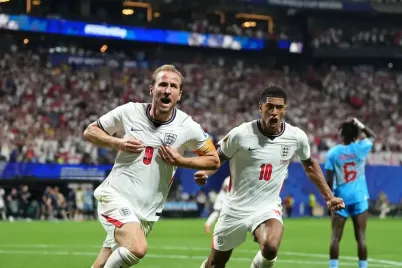
The official awards ceremony also recognised the standout contributions from beyond the two finalists. England’s dynamic midfielder Jude Bellingham was awarded the Bronze Boot, having enjoyed a wildly prolific tournament in front of goal. The 23-year-old netted seven goals and provided one assist, driving Thomas Tuchel’s side to the semi-finals before they were painfully eliminated by Argentina. Bellingham narrowly edged out Norway’s Erling Haaland, who also finished the tournament with an impressive seven goals.
Meanwhile, the Netherlands were presented with the FIFA Fair Play Trophy. Recognised for their exemplary discipline and sportsmanship, the Dutch squad highlighted the underlying spirit of respect that governed the 104-match global festival, ensuring their campaign was remembered for the right reasons.
Conclusion: A Tournament for the Ages
As the footballing world digests the conclusion of the 2026 World Cup, the individual awards highlight a fascinating transitional period in the global game. We witnessed the undeniable, record-breaking sustained excellence of established icons like Mbappé and Messi, juxtaposed perfectly against the meteoric rise of a new generation spearheaded by Cubarsi and Yamal.
However, it was Rodri, the ultimate team player, the silent orchestrator, and the tactical heartbeat of the champions, who rightfully stood atop the podium. As Spain adds a second star to their crest and the footballing calendar pivots back towards the domestic leagues, the elite class of 2026 will be remembered for delivering a tournament defined by absolute, unyielding quality.